
This sewing machine guide for beginners is designed to answer every question you have before you buy or start using your first machine. If you’re new to sewing, choosing the right sewing machine can feel overwhelming — with so many types, features, and brands available, it’s easy to get confused about where to start. Whether you want to repair clothes, make garments, quilt, or begin a new hobby, selecting the right machine makes the learning process much easier
A sewing machine is one of the most valuable tools for anyone interested in sewing. It helps you stitch fabric quickly, accurately, and consistently while saving time compared to hand sewing. From simple clothing repairs to advanced embroidery projects, modern sewing machines are designed to suit different skill levels and sewing needs.
This guide is your starting point for everything sewing-machine related. It gives you a complete overview of what a sewing machine is, how it works, the different types available, essential features to look for, maintenance basics, and how to choose the best sewing machine for your projects — with links to our in-depth guides on each topic so you can dig deeper wherever you need to.
What Is a Sewing Machine?
A sewing machine is a device that joins fabric and other materials together using a needle and thread. Instead of sewing by hand, it creates strong, even stitches much faster and with greater accuracy. Sewing machines are widely used for making clothes, home décor items, quilts, bags, and many other fabric projects.
Modern machines come with a variety of built-in stitches, adjustable settings, and helpful features such as automatic needle threading, buttonhole functions, and speed control. Some machines are designed specifically for beginners, while others are built for quilting, embroidery, heavy fabrics, or professional use.
Want the full breakdown? Read our complete guide: What Is a Sewing Machine?
How Does a Sewing Machine Work?
A sewing machine works by moving a threaded needle up and down through the fabric while a second thread from the bobbin interlocks with the top thread underneath. This process forms secure stitches that hold the fabric pieces together.
The feed dogs beneath the presser foot move the fabric forward after each stitch, ensuring consistent stitch length. Different stitch settings allow you to create straight stitches, zigzag stitches, decorative patterns, and stretch stitches depending on your project.
Curious about the mechanics in more detail? See our full article: How Does a Sewing Machine Work?
Types of Sewing Machines
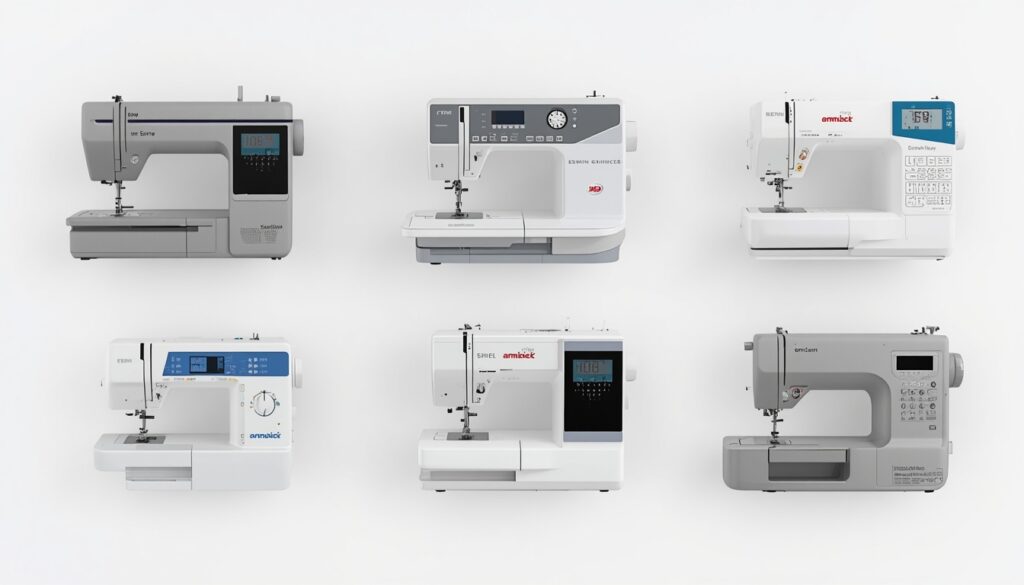
Sewing machines are available in different types, each designed for specific tasks and skill levels. Understanding the differences will help you choose the right machine for your needs.
| Machine Type | Best For | Difficulty Level |
|---|---|---|
| Mechanical Machine | Beginners & Basic Sewing | Easy |
| Computerized Machine | Regular Home Sewing & Quilting | Medium |
| Embroidery Machine | Decorative Embroidery & Monograms | Medium |
| Serger (Overlock) Machine | Professional Seam Finishing | Medium |
| Heavy-Duty Machine | Denim, Canvas & Leather | Medium |
| Industrial Machine | Commercial & Factory Sewing | Advanced |
Mechanical Sewing Machines
Mechanical sewing machines are the most traditional type of sewing machine. They use manual dials and knobs to control stitch length, stitch type, and thread tension. Because they are simple to operate and maintain, they are an excellent choice for beginners.
These machines usually include essential stitches such as straight stitch, zigzag stitch, and buttonhole stitch, making them suitable for everyday sewing projects.
Best For: Beginners · Basic clothing repairs · Learning sewing skills · Home sewing projects
Pros: Affordable · Easy to maintain · Durable · Beginner-friendly
Cons: Limited stitch options · Manual adjustments required
Computerized Sewing Machines
Computerized sewing machines use digital controls instead of manual dials. They often include an LCD screen, automatic stitch selection, speed control, and dozens or even hundreds of built-in stitches.
These machines make sewing easier by automating many tasks, allowing users to focus more on creativity than machine adjustments.
Best For: Intermediate sewists · Frequent home sewing · Decorative stitching · Quilting projects
Pros: Automatic stitch settings · Large variety of stitches · Easy threading · Consistent stitching quality
Cons: More expensive · Requires careful maintenance
Embroidery Sewing Machines
Embroidery sewing machines are designed to create decorative patterns, monograms, and custom embroidery on fabric. Many modern embroidery machines also function as standard sewing machines, making them a versatile choice for creative sewists.
Some models allow users to upload embroidery designs using USB drives or built-in software.
Best For: Personalized clothing · Decorative embroidery · Home businesses · Gifts and crafts
Pros: Professional embroidery results · Built-in embroidery designs · Time-saving automation
Cons: Higher price · Learning curve for beginners
Want to learn the actual process? See How to Embroider with a Sewing Machine.
Serger (Overlock) Sewing Machines
A serger, also known as an overlock machine, trims fabric edges while stitching them together. It creates clean, professional-looking seams that prevent fabric from fraying.
Unlike a regular sewing machine, a serger uses multiple threads and loopers to produce strong, flexible seams, making it ideal for knit and stretch fabrics.
Best For: Garment construction · Knit fabrics · Professional seam finishing · Stretch fabric projects
Pros: Professional seam finish · Fast sewing speed · Prevents fraying · Strong and flexible stitches
Cons: Cannot replace a standard sewing machine · More complex threading process
Heavy-Duty Sewing Machines
Heavy-duty sewing machines feature stronger motors and durable metal frames, allowing them to sew thick fabrics such as denim, canvas, upholstery fabric, and leather.
These machines are built for demanding projects and can handle multiple fabric layers with ease.
Best For: Denim · Canvas · Leather · Upholstery · Home décor projects
Pros: Powerful motor · Durable construction · High sewing speed · Handles thick fabrics
Cons: Heavier than regular machines · May offer fewer decorative stitches
Planning a leather or heavy-fabric project? See How to Sew Leather with a Sewing Machine.
Industrial Sewing Machines
Industrial sewing machines are designed for commercial use and continuous operation. They are commonly used in garment factories, tailoring shops, upholstery businesses, and textile manufacturing.
These machines are built for speed, durability, and precision, making them ideal for professionals who sew for several hours each day.
Best For: Professional tailors · Clothing manufacturers · Upholstery businesses · High-volume sewing
Pros: Extremely fast · Long-lasting performance · Handles heavy-duty materials · Built for continuous use
Cons: Expensive · Large size · Not suitable for casual home sewing
What Can You Make with a Sewing Machine?
A sewing machine opens the door to countless creative possibilities. Whether you’re interested in fashion, home décor, quilting, or DIY crafts, a sewing machine helps you complete projects more efficiently while producing neat and durable stitches.
Some popular sewing projects include:
- Dresses and skirts
- Shirts and trousers
- Tote bags
- Cushion and pillow covers
- Curtains
- Quilts
- Baby clothes
- Aprons
- Fabric baskets
- Table runners
- Zipper pouches
- Pet accessories
As your sewing skills improve, you’ll gain the confidence to work with different fabrics and create more advanced projects that reflect your personal style.
Starting a project? Use our Fabric Yardage Calculator to work out exactly how much fabric to buy before you start.
How to Choose the Right Sewing Machine
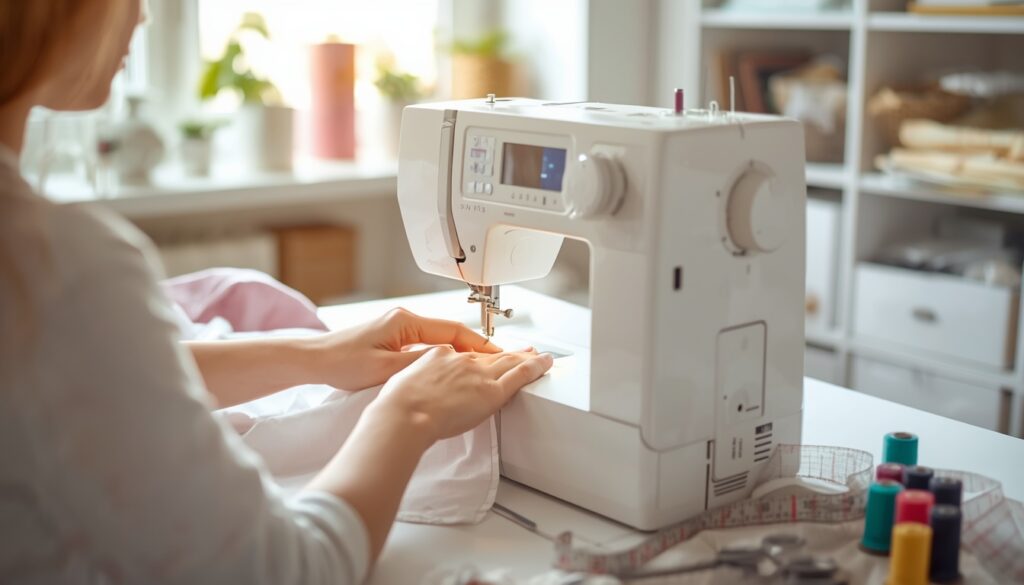
Buying your first machine can feel overwhelming because there are many models with different features and price ranges. The best sewing machine for you depends on your sewing goals, experience level, and budget.
Before making a purchase, consider these factors:
1. Your Skill Level — Beginners should choose a simple machine with basic stitches and easy controls. More experienced sewists may prefer computerized models with advanced features.
2. Types of Projects — Think about what you’ll sew most often. Clothing, quilting, embroidery, leatherwork, and home décor projects all have different machine requirements.
3. Budget — You don’t need the most expensive machine to start sewing. Many affordable beginner sewing machines offer excellent performance and all the essential features needed for learning.
4. Built-in Stitches — Choose a machine that includes common stitches such as straight stitch, zigzag stitch, stretch stitch, and buttonhole stitch. These stitches are suitable for most everyday sewing projects.
5. Ease of Use — Look for features such as an automatic needle threader, adjustable sewing speed, an easy bobbin system, LED lighting, and a free arm for sleeves and cuffs. These features make sewing much easier, especially for beginners.
For specific model recommendations and comparisons, see our guide: What Is the Best Sewing Machine for Beginners?
Essential Parts of a Sewing Machine
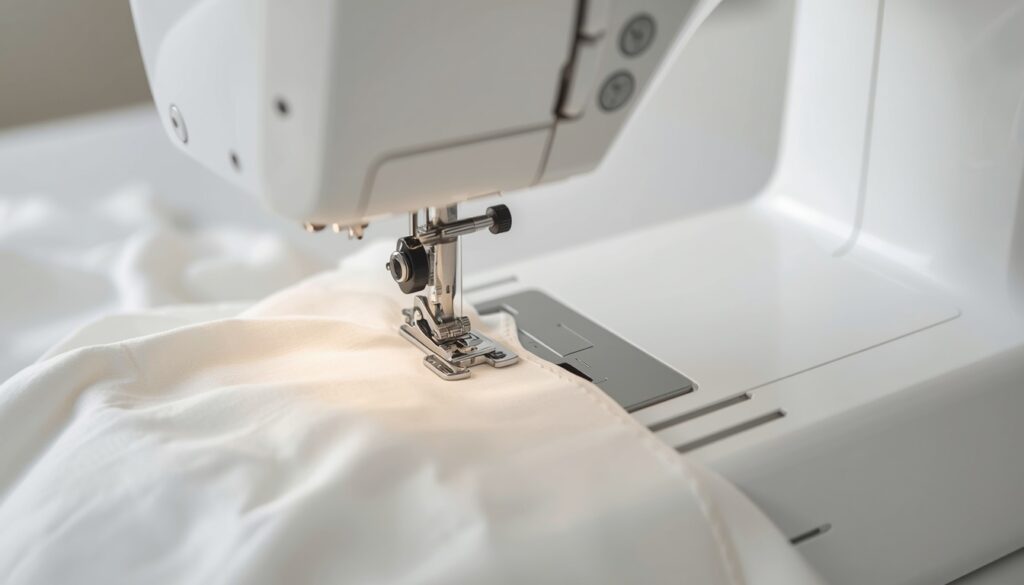
Understanding the basic parts of your sewing machine helps you operate it more confidently and troubleshoot common problems. Some of the most important parts include the needle, presser foot, feed dogs, bobbin, bobbin case, thread spool pin, hand wheel, stitch selector, reverse lever, foot pedal, tension dial, and needle plate.
Each part plays a role in creating smooth, even stitches and maintaining consistent sewing performance.
See our full diagram and explanation of every part: Parts of a Sewing Machine.
How to Start Using Your Machine
Once you’ve chosen a machine, the next steps are setting it up and learning to thread it correctly — the two skills every new sewist needs before making a single stitch.
Follow our step-by-step guides:
Sewing Machine Maintenance Tips
Regular maintenance helps keep your machine running smoothly and extends its lifespan. A well-maintained machine produces better stitches, reduces thread breakage, and minimizes mechanical issues.
A few basics: clean lint and dust after every project, replace the sewing needle regularly, use high-quality thread, oil your machine according to the manufacturer’s instructions, cover it when not in use, and schedule professional servicing if you use it frequently.
For the full step-by-step routine, see How to Oil a Sewing Machine and How to Clean a Sewing Machine.
Common Mistakes Beginners Make
Learning to sew takes time, and every beginner makes a few mistakes along the way. The good news is that most sewing problems can be avoided with a little practice and proper guidance.
1. Choosing the Wrong Needle — Using the wrong needle for your fabric can lead to skipped stitches, broken needles, or damaged fabric. Always select the correct needle size and type based on the material you’re sewing.
2. Using Low-Quality Thread — Cheap or poor-quality thread often breaks during sewing and may cause uneven stitches. Investing in high-quality thread improves stitch quality and reduces frustration.
3. Forgetting to Change the Needle — A dull or bent needle can damage fabric and create uneven stitches. For best results, replace your sewing machine needle after every major project or after 8–10 hours of sewing.
4. Pulling the Fabric While Sewing — Many beginners pull the fabric through the machine, which can cause uneven stitches and even bend the needle. Let the feed dogs move the fabric naturally while you gently guide it.
5. Sewing Too Fast — Speeding through a project often leads to mistakes. Start slowly, especially when sewing curves, corners, or delicate fabrics. As your confidence grows, you can gradually increase your sewing speed.
6. Ignoring Fabric Grain — Every fabric has a grainline that affects how the finished project looks and fits. Cutting fabric incorrectly can cause garments to twist or hang unevenly.
7. Skipping Machine Maintenance — Dust, lint, and old needles can affect your sewing machine’s performance. Regular cleaning and maintenance help keep your machine running smoothly.
8. Not Practicing Before Starting a Project — Before sewing your actual project, test your stitch settings on a scrap piece of the same fabric. This simple habit helps prevent costly mistakes and ensures your stitches look neat and professional.
By avoiding these common mistakes, beginners can build confidence, improve their sewing skills, and enjoy a smoother sewing experience.
Frequently Asked Questions (FAQs)
Final Thoughts
Choosing the right sewing machine is one of the most important steps in starting your sewing journey. Whether you’re repairing clothes, creating home décor, quilting, or designing custom garments, the right machine makes every project easier and more enjoyable.
Beginners should focus on ease of use, essential features, and reliability rather than purchasing the most expensive model. As your skills improve, you can always upgrade to a more advanced sewing machine that matches your growing needs.
At SewSmartHub, our goal is to help you make informed decisions with practical guides, helpful sewing tips, and easy-to-use tools. If you’re planning your next sewing project, don’t forget to try our Fabric Yardage Calculator to estimate how much fabric you’ll need and reduce material waste.
Happy Sewing!