
Most people run into a sewing machine long before anyone actually explains what it is. The question is simple: what is a sewing machine, exactly, and what makes it different from sewing by hand?
- Quick Answer
- What Is a Sewing Machine?
- What Does a Sewing Machine Do? (Uses & Purpose)
- Brief History of the Sewing Machine
- Types of Sewing Machines
- Basic Parts of a Sewing Machine
- How Does a Sewing Machine Work?
- Who Uses a Sewing Machine?
- Benefits of Using a Sewing Machine
- Sewing Machine vs Hand Sewing – What's the Difference
- FAQs About Sewing Machines
- Conclusion
- Related Articles
Quick Answer
A sewing machine is a mechanical or electronic device that joins fabric, leather, or other materials together using thread, by driving a needle up and down through the material at a controlled, repeatable speed.
That’s the short version. The rest of this guide breaks down what that actually means, what a sewing machine is used for, the different types you’ll come across, and how the whole thing works without turning into a textbook.
What Is a Sewing Machine?
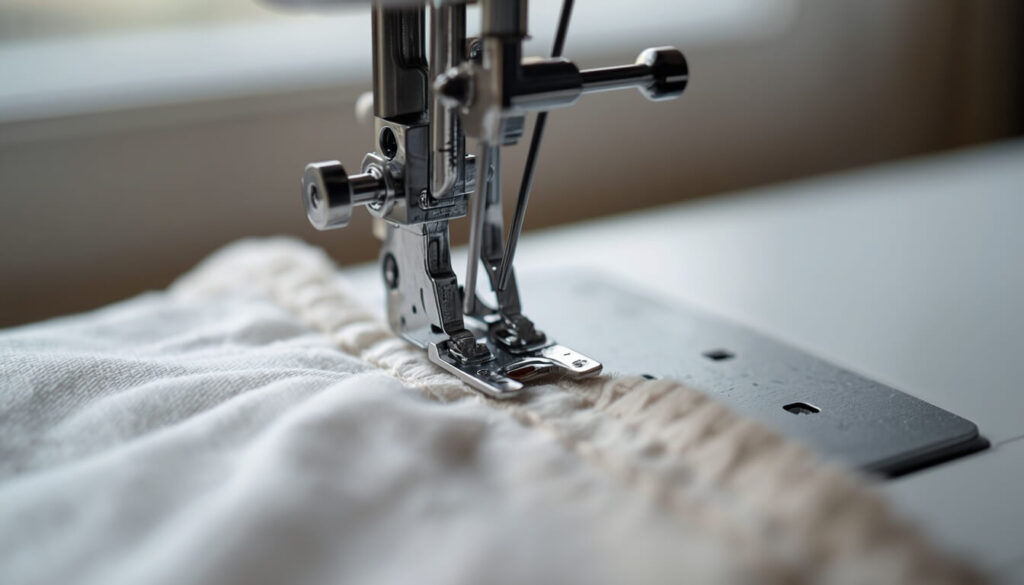
At its core, a sewing machine automates a task humans used to do entirely by hand: pushing a needle and thread through fabric, over and over, to hold two or more layers together.
A hand needle makes one stitch at a time. A sewing machine can make hundreds of identical stitches per minute, using a needle, a bobbin (a small spool holding a second thread underneath the fabric), and a feed mechanism that pulls the material through at a steady pace.
Most home machines today run on electricity and are controlled with a foot pedal or a start/stop button, though older models used a hand crank or a foot-powered treadle. As Wikipedia explains, the concept dates back to the first Industrial Revolution, when it was developed specifically to cut down on manual sewing labor in the clothing industry.
You don’t need to know the mechanics to use one, but understanding the basic idea makes everything else about sewing — threading, tension, stitch selection — click into place a lot faster.
What Does a Sewing Machine Do? (Uses & Purpose)
This is usually the real question behind “what is a sewing machine” — people want to know what it’s actually for.
Everyday Uses at Home
- Hemming pants, curtains, or bedsheets
- Making or altering clothes
- Repairing torn seams, zippers, or buttonholes
- Sewing bags, pouches, and home decor items
- Quilting and other craft projects
Industrial & Commercial Uses
- Mass-producing garments in factories
- Stitching leather goods like shoes and belts
- Making upholstery for furniture and cars
- Producing tents, sails, and heavy-duty canvas items
In short, anywhere fabric needs to be joined quickly and consistently, a sewing machine is doing the job that used to take a needle, thread, and a lot of patience.
Brief History of the Sewing Machine
You don’t need a history lesson to use a sewing machine, but a quick bit of context helps explain why it looks and works the way it does.
Who Invented the Sewing Machine?
The idea goes back further than most people expect. Early patents for mechanical sewing devices appeared in the late 1700s, but it took several inventors — refining needle design, stitch formation, and the shuttle mechanism — before a reliable machine existed. Isaac Singer’s company later turned the sewing machine into a practical, mass-produced household appliance, which is a big part of why “Singer” is still a familiar name in sewing today.
By the mid-1800s, sewing machines were already changing how clothing was made, cutting the time needed to sew a shirt from hours down to minutes.
Types of Sewing Machines
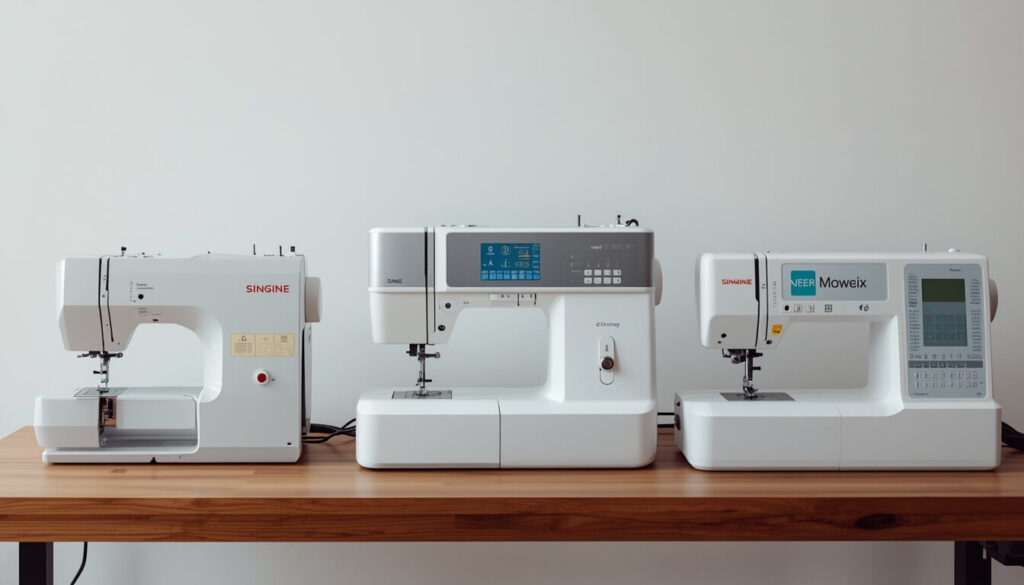
Not every sewing machine works the same way. Here’s a quick breakdown of the main categories you’ll run into.
| Type | How It’s Controlled | Best For |
|---|---|---|
| Mechanical | Manual dials and knobs | Beginners, basic repairs, budget buyers |
| Electronic | Buttons with some automation | Everyday home sewing, more stitch options |
| Computerized | Digital screen, programmable | Detailed projects, embroidery, advanced sewists |
| Industrial | Heavy-duty motor, single function | Factories, leather, high-volume sewing |
A mechanical machine uses dials to set stitch length and width by hand. An electronic machine adds buttons and simple automation for things like stitch selection. A computerized machine goes further, with a digital screen and often built-in stitch patterns or embroidery designs. Industrial machines are built for one job done fast and nonstop, rather than variety.
If you’re trying to decide which type fits you as a beginner, our guide to the best sewing machines for beginners breaks this down by budget and skill level.
Basic Parts of a Sewing Machine
A sewing machine has a handful of core parts that show up on almost every model: the needle, bobbin, presser foot, feed dog, tension dial, and handwheel. Each one plays a specific role in forming a stitch.
This is only a quick overview — for a full breakdown of every part and what it does, read our complete sewing machine parts guide.
How Does a Sewing Machine Work?
In the simplest terms, the needle carries the top thread down through the fabric, loops it around the bobbin thread underneath, and pulls it back up to lock the stitch in place. The feed dog moves the fabric forward a small amount after each stitch, so the machine keeps sewing in a straight, even line.
That’s the short version of a fairly clever bit of engineering.
Who Uses a Sewing Machine?
Sewing machines aren’t just for professional tailors. You’ll find them in the hands of:
- Hobbyists making clothes, bags, or quilts for fun
- Parents doing quick repairs on kids’ clothes
- Small business owners running custom or made-to-order clothing lines
- Fashion design students learning garment construction
- Factory workers producing clothing at scale
If you’re only just getting started, our beginner sewing machine guide is a good next stop after this one.
Benefits of Using a Sewing Machine
- Speed — a machine sews a seam in seconds that would take minutes by hand
- Consistency — stitches come out even and uniform, project after project
- Strength — machine stitches generally hold up better under stress than hand stitches
- Versatility — most machines handle multiple stitch types, fabrics, and project sizes
- Cost savings over time — altering and repairing your own clothes adds up to real savings
Sewing Machine vs Hand Sewing – What’s the Difference
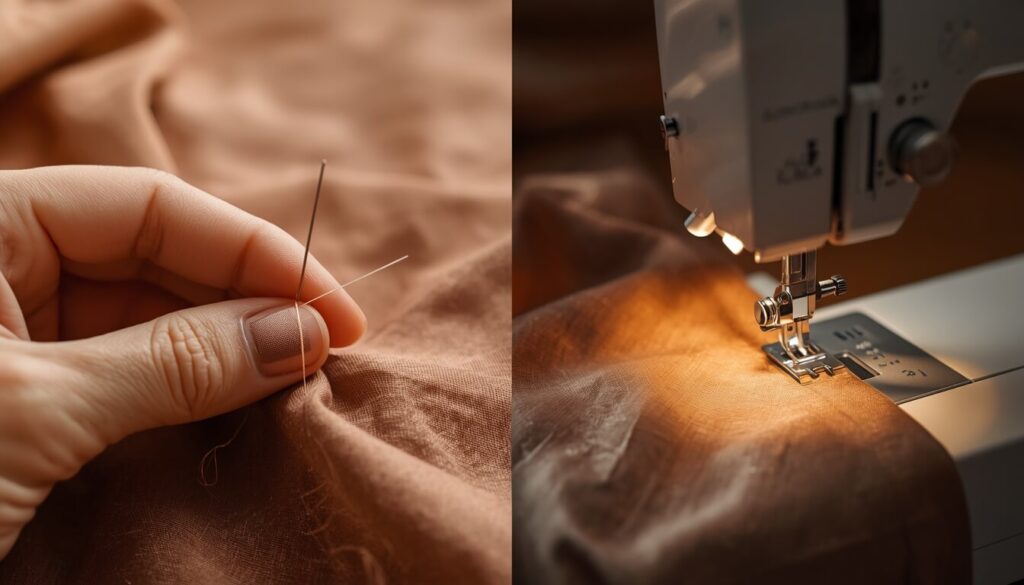
Hand sewing still has its place — small repairs, detailed embroidery, or delicate fabrics that need extra care. But for anything involving long seams, hems, or multiple layers, a machine is faster and more consistent.
| Factor | Sewing Machine | Hand Sewing |
|---|---|---|
| Speed | Very fast | Slow |
| Stitch consistency | High | Depends on skill |
| Learning curve | Moderate | Low |
| Best for | Garments, hems, seams | Repairs, detail work, embroidery |
| Portability | Limited | Fully portable |
Many sewists actually use both — a machine for the bulk of a project, and hand stitching for finishing touches.
FAQs About Sewing Machines
Conclusion
So, what is a sewing machine, in plain terms? It’s a tool that takes over the repetitive, physically demanding part of stitching fabric together — turning a task that once took hours into something that takes minutes, without sacrificing strength or consistency.
Whether you’re eyeing your first machine or just brushing up on the basics, understanding what a sewing machine is and does is the first real step toward sewing with confidence.
Ready to actually get your hands on one? Head over to our how to set up a sewing machine guide to get your machine ready for its first stitch, or use our fabric yardage calculator to plan out your first project.
Related Articles
- How to Use a Sewing Machine
- How to Set Up a Sewing Machine
- How to Thread a Sewing Machine
- Common Sewing Machine Problems and Solutions
- Best Sewing Machine for Beginners Guide