
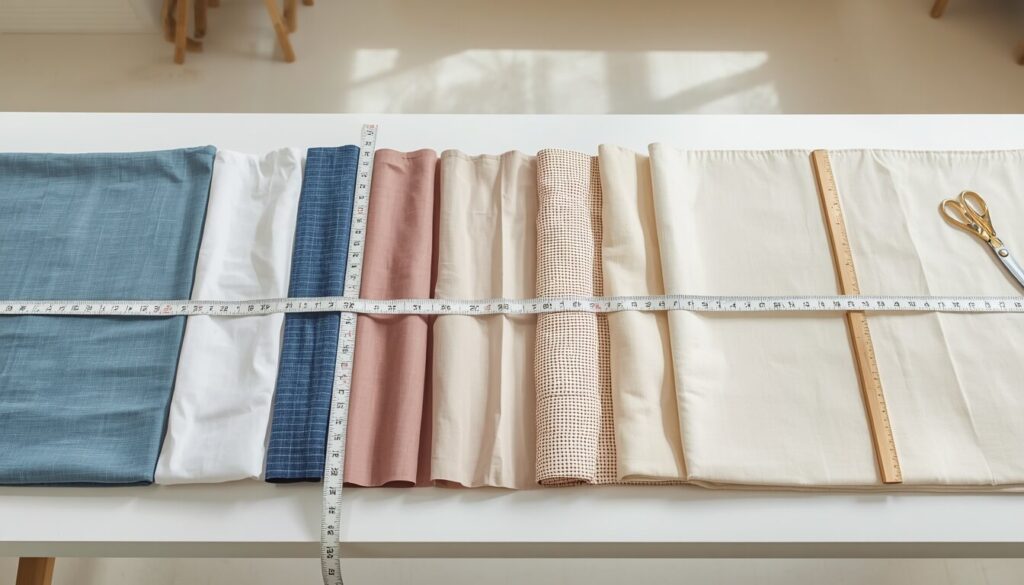
A fabric width guide is really just a shortcut for one question: how many inches do you actually have to work with, selvedge to selvedge? Fabric width varies more than most people expect, and the type of fabric you’re buying is usually the biggest clue to what width you’ll find on the bolt. This guide breaks down the standard widths by fabric type, explains the difference between the width on the label and the width you can actually use, and points you toward the conversion math if your fabric doesn’t match your pattern’s assumptions.
Table of Contents
Quick Answer
Standard fabric widths run from about 42 to 44 inches for quilting cotton, 44 to 45 inches for dress fabric and broadcloth, 54 inches for drapery and home decor fabric, 58 to 60 inches for knits, and 90 to 118 inches for extra-wide sheeting and quilt backing fabric. The width printed on the bolt includes the selvedge, so your usable fabric is typically about 1 to 2 inches narrower than that number.
Nominal Width vs. Usable Width
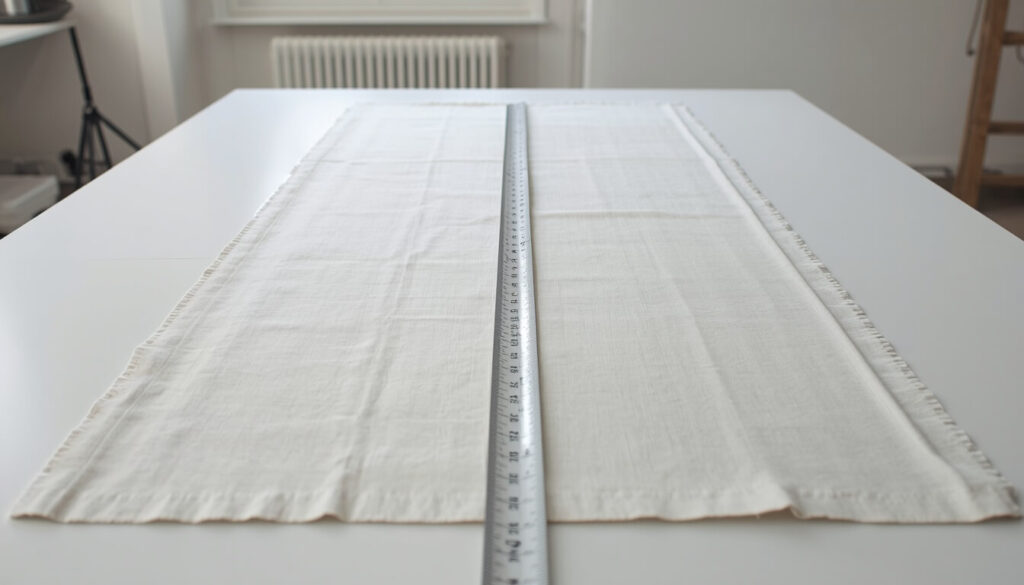
The width listed on a bolt or the fabric’s label is called the nominal width, and it’s measured from one selvedge to the other. According to Wikipedia, a selvedge is the self-finished edge of a woven fabric that keeps it from unraveling, formed where the weft thread loops back at the end of each row.
That edge is usually denser and stiffer than the rest of the fabric, and it’s rarely usable for anything beyond identifying your fabric’s grain. Most sewists trim it away before cutting, which means your actual usable width runs 1 to 2 inches narrower than the number printed on the bolt. A fabric labeled 45 inches often gives you closer to 43 to 44 inches once the selvedges are gone — worth remembering when you’re calculating yardage down to the inch.
Standard Fabric Widths by Type (Fabric Width Guide Chart)
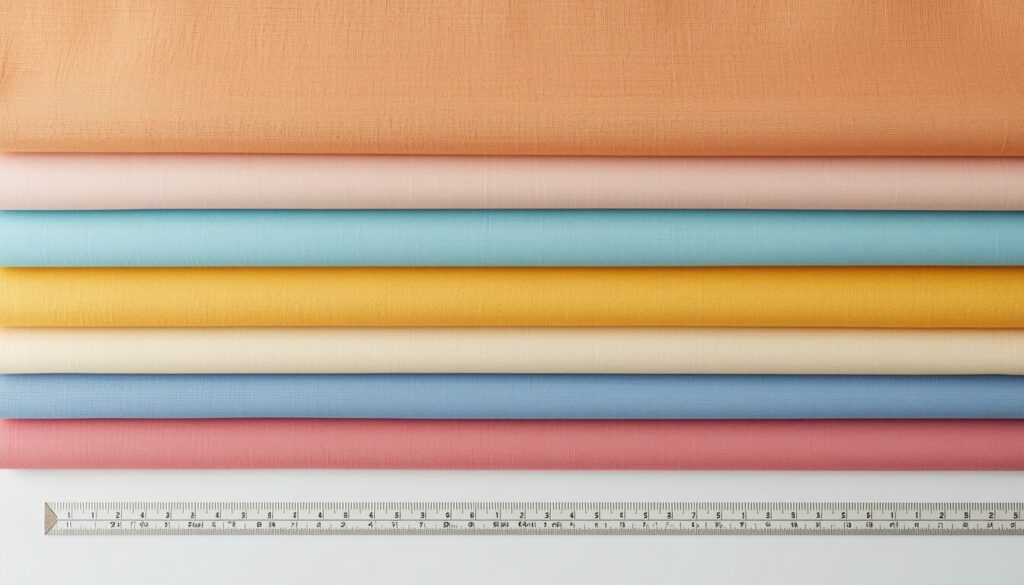
| Fabric Type | Standard Width | Common Uses |
|---|---|---|
| Quilting cotton | 42–44 inches | Quilt tops, small craft projects |
| Dress fabric & broadcloth | 44–45 inches | Garments, blouses, lining |
| Drapery & home decor | 54 inches | Curtains, valances, upholstery |
| Knit fabric | 58–60 inches | T-shirts, activewear, stretch garments |
| Extra-wide / quilt backing | 90–118 inches | Quilt backings, bedsheets, tablecloths |
Quilting Cotton (42–44 Inches)
Most US mills produce quilting cotton at 42 inches, while UK and European mills more often run 44. Nearly every quilting pattern and precut, like fat quarters, is based on this range, which is part of why quilting cotton is such a predictable fabric to plan around.
Dress Fabric & Broadcloth (44–45 Inches)
This is the width most commercial garment patterns are drafted against as their baseline. Poplin, broadcloth, and many quilting-weight cottons sold for apparel fall in this same range.
Drapery & Home Decor Fabric (54 Inches)
Fifty-four inches has been the standard for drapery fabric since roughly the mid-twentieth century, and it carries over to a lot of upholstery and home decor fabric as well. The extra width compared to dress fabric makes sense once you consider the size of the pieces — curtain panels and furniture cushions need more room to work with.
Knit Fabric (58–60 Inches)
Knits typically run wider than woven fabric, partly because many are produced as tubular fabric that gets slit open before it’s sold, giving you more usable width than the tube’s original measurement.
Extra-Wide & Quilt Backing Fabric (90–118 Inches)
Fabric this wide is designed specifically to avoid piecing — a single width of 90-inch or wider fabric can back a queen or king quilt without a seam down the middle. Sheeting and some specialty quilting cottons are the most common fabrics sold in this range.
US vs. European Pattern Widths
American commercial patterns almost always assume a baseline of 44 or 45 inches, sometimes listing a 54-inch alternate yardage alongside it. European patterns tend to assume 140 centimeters, which converts to roughly 55 inches — close to the US 54-inch figure, but not identical. Before buying fabric for an imported pattern, check which width the yardage figures were calculated against, since a small mismatch compounds over a large project.
Why Fabric Width Changes How Much You Need to Buy
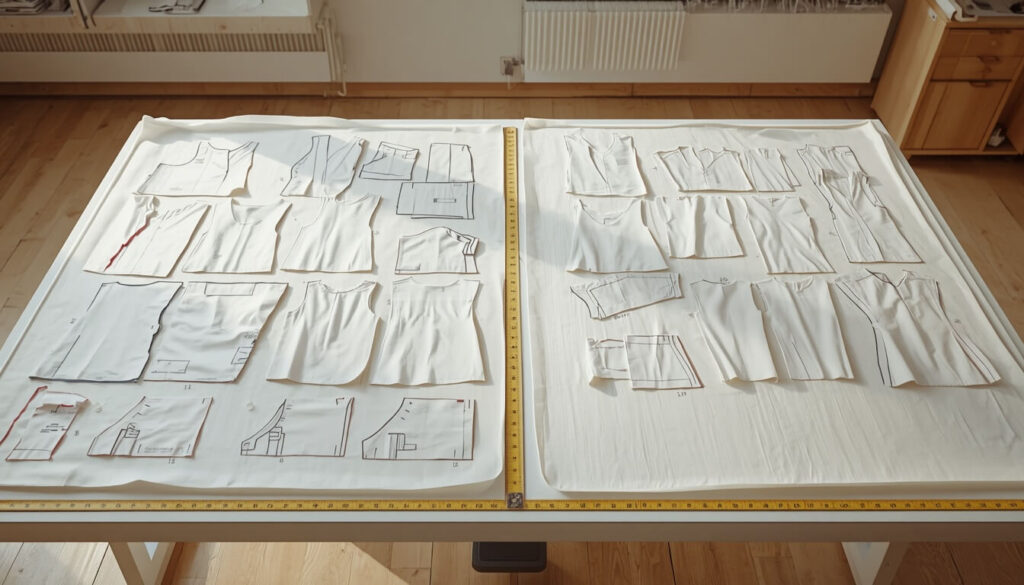
Wider fabric generally means you need less total length, since more pattern pieces fit side by side in each row. Our pillar guide on how much fabric do I need walks through the full formula for turning your piece count and fabric width into a final yardage number.
Converting Yardage Between Widths
If your pattern lists yardage for 45-inch fabric but you’ve found something at 60 or 110 inches instead, you can’t just buy the same number of yards — the math has to adjust for the extra width. Our fabric conversion chart covers that calculation step by step, with a reference table for the most common width combinations.
Common Mistakes to Avoid
- Assuming the printed bolt width is your usable width, without accounting for the selvedge
- Buying fabric based on a European pattern’s centimeter figure without converting it accurately
- Not checking which width a pattern’s yardage was calculated against before buying fabric
- Assuming all quilting cotton is exactly 44 inches, when many US mills run 42
- Choosing a narrower fabric than a pattern calls for without recalculating your total yardage
FAQs
What is the standard width of quilting cotton?
Most quilting cotton runs 42 to 44 inches wide, with US mills more often producing at 42 and UK or European mills closer to 44. Always trim the selvedges before piecing, since they’re denser than the rest of the fabric and can shrink differently.
How wide is fabric typically sold for curtains?
Drapery and home decor fabric is most commonly 54 inches wide, a standard that’s been in place since roughly the mid-twentieth century. Some home decor fabric runs wider, up to around 118 inches for double-wide options.
What’s the difference between nominal width and usable width?
Nominal width is the number printed on the bolt, measured selvedge to selvedge. Usable width is what’s left after you trim the denser selvedge edges, typically 1 to 2 inches narrower than the nominal figure.
Why do US and European patterns list different fabric widths?
US patterns are usually drafted against 44 or 45 inches, while European patterns tend to assume 140 centimeters, or about 55 inches. The two aren’t identical, so it’s worth checking which baseline a pattern used before buying fabric.
Is knit fabric wider than woven fabric?
Generally, yes. Knit fabric commonly runs 58 to 60 inches, compared to 42 to 45 inches for most woven quilting or dress fabric, partly because knits are often produced as tubular fabric that’s slit open before sale.
Conclusion
Once you know the standard width for the type of fabric you’re buying, a lot of yardage guesswork disappears before you even reach the cutting table. Quilting cotton, dress fabric, drapery, knits, and extra-wide backing fabric each have their own typical range, and knowing which one you’re working with is the first real step toward an accurate yardage calculation. For the full formula that turns width into a final number, see our pillar guide on how much fabric do I need.
If your fabric’s width doesn’t match what your pattern calls for, the fabric conversion chart walks through adjusting your yardage accordingly.