
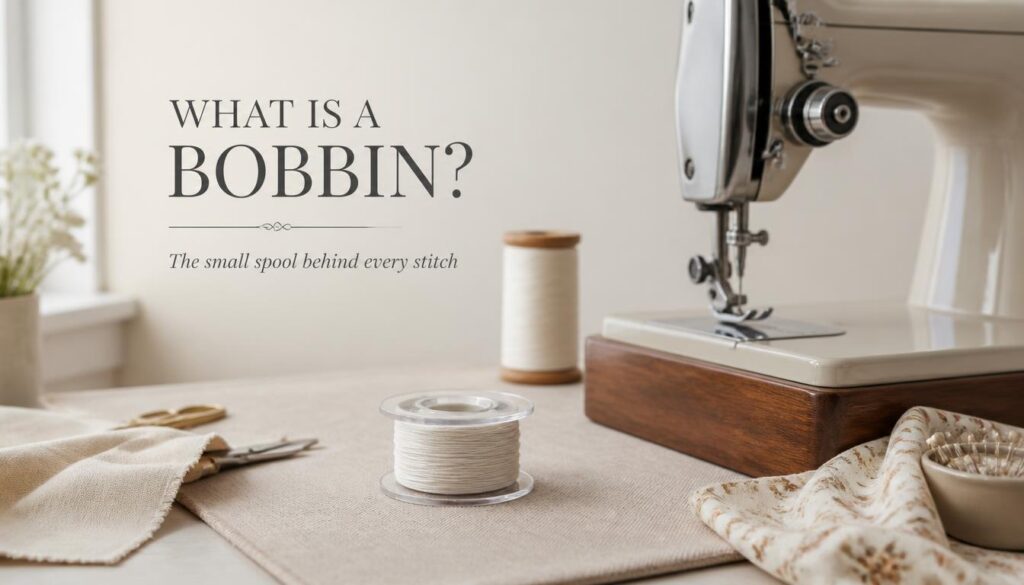
What is a bobbin on a sewing machine? It’s the small spool that holds the lower thread, sitting underneath the needle plate in a bobbin case. Every stitch a sewing machine makes depends on this bottom thread linking with the top thread from your spool, so without a properly loaded bobbin, the machine simply can’t sew.
It’s easy to overlook something this small, but the bobbin does half the work of every single stitch. Understanding what it actually does and why it’s not interchangeable with just any spool of thread makes the rest of your machine’s behavior a lot easier to troubleshoot.
Quick Answer
A bobbin holds the bottom thread that locks with your top thread to form a stitch. It sits in a bobbin case beneath the needle plate, either in a front-loading or top-loading system depending on your machine, and it needs to be wound and inserted correctly before you can sew a single stitch.
What Does a Bobbin Do?
Sewing machines create most stitches using a technique called a lockstitch, where the needle carries the top thread down through the fabric, loops it around the bobbin thread, and pulls both taut so they lock together right in the middle of the fabric layers. The bobbin’s job is to feed that lower thread out smoothly and evenly as the machine sews.
Without the bobbin, the top thread would have nothing to catch onto underneath the fabric, and the needle would just punch holes without ever forming a real stitch. That’s why a machine with an empty or missing bobbin can still run and move the needle, but won’t actually sew anything.
Bobbin vs. Spool What’s the Difference?
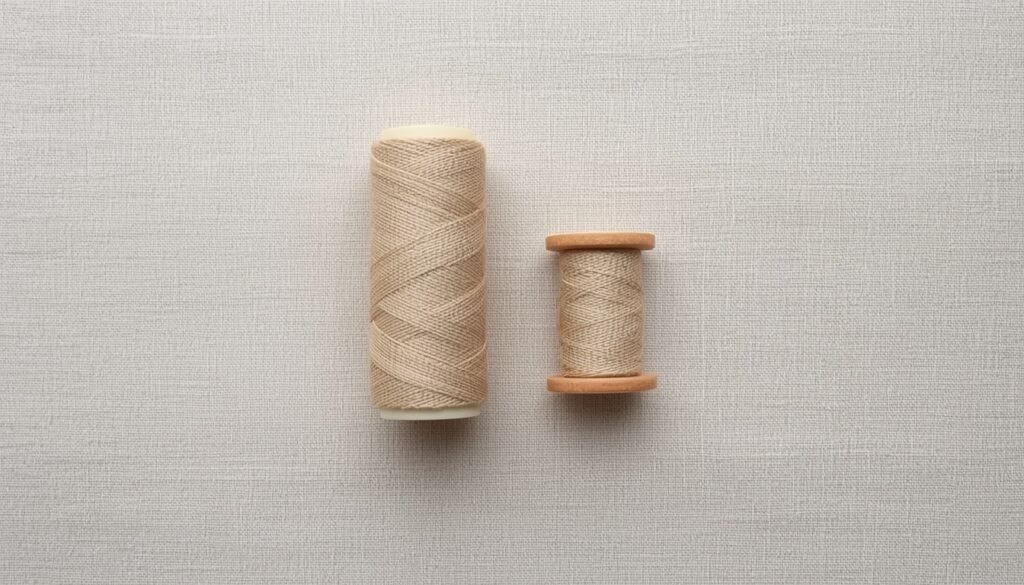
A spool sits on top of the machine and holds the thread that feeds the needle from above that’s your top thread. A bobbin is a much smaller spool that sits inside the machine and holds the bottom thread. They’re often wound with thread from the exact same spool, but they’re not interchangeable parts; a bobbin is specifically sized and shaped to fit inside the bobbin case of your particular machine, while a spool sits on an external spool pin.
Types of Sewing Machine Bobbins
Plastic Bobbins
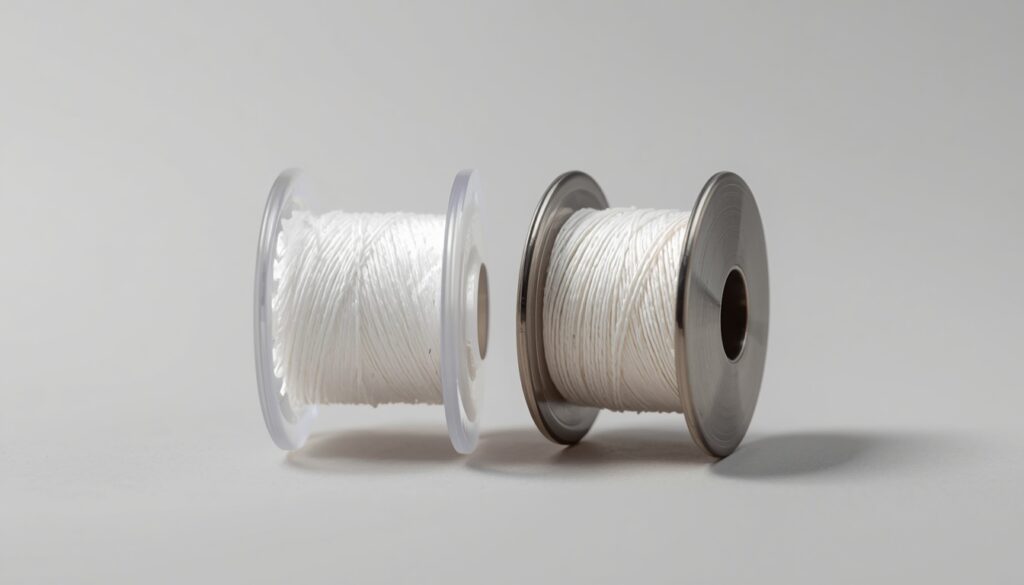
Most modern home sewing machines use plastic bobbins, which are lightweight and often see-through, making it easy to check the remaining thread at a glance. They’re inexpensive and typically sold in large packs.
Metal Bobbins
Some machines, particularly older models and certain industrial or vintage designs, use metal bobbins. Metal holds up better to heavy, frequent use, but it doesn’t offer the same at-a-glance visibility that clear plastic does.
Class 15 vs. Class 66 (and Other Bobbin Classes)
Bobbin “classes” refer to standardized shapes and sizes used across different machine brands. Class 15 bobbins are common on many modern Singer, Brother, and Janome machines, while Class 66 bobbins tend to appear on some older or vintage Singer models. Using the wrong class can sometimes physically fit but spin incorrectly, throwing off your stitch tension entirely which is why checking your specific machine’s manual matters more than assuming “a bobbin is a bobbin.”
Bobbin Sizes: Why They’re Not Universal
| Bobbin Class | Common On | Shape Notes |
|---|---|---|
| Class 15 | Many modern Singer, Brother, Janome models | Standard flat-sided, most widely available |
| Class 66 | Older/vintage Singer models | Slightly different height and flange |
| Class L | Some industrial and heavy-duty machines | Larger capacity for longer seams |
| Manufacturer-specific | Certain Bernina, Pfaff models | Proprietary shape, only fits that brand |
How the Bobbin Fits Into the Stitch-Forming Mechanism
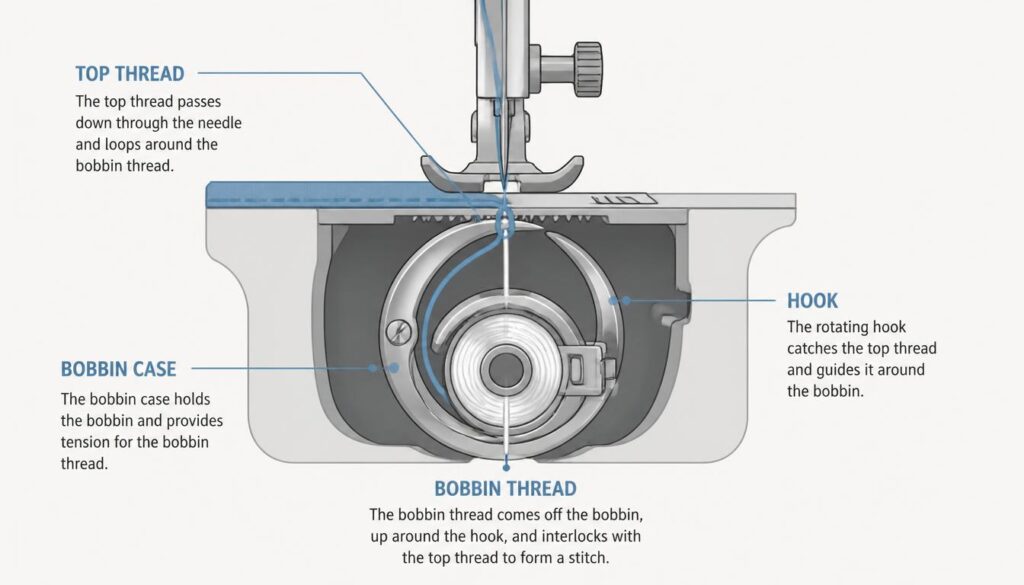
Inside the machine, the bobbin sits inside a bobbin case, which itself sits inside or near the hook the rotating part that catches the top thread’s loop as the needle comes down. As the hook spins, it wraps the top thread around the bobbin case, pulling bobbin thread out at just the right pace to interlock the two threads evenly. This is also why a bobbin that’s inserted backward, or one that’s the wrong class for your machine, can cause the whole system to fall out of sync even if every other setting looks correct.
Helpful Tips for Choosing the Right Bobbin
Buying a multi-pack of bobbins for your exact machine model, rather than a generic “universal” pack, avoids the sizing mismatches that cause tension trouble down the line. A quick way to check this is looking at your machine’s manual or the sticker inside the bobbin compartment, which often lists the exact bobbin class your model needs.
FAQs
Conclusion
So, what is a bobbin on a sewing machine? A small but essential part of every stitch it holds the lower thread that locks with your top thread to form each stitch as you sew. Knowing the difference between bobbin classes, and matching the right type to your machine, prevents a surprising number of tension and stitching problems before they even start.
Ready to load one in? Check out our full guide on how to insert a bobbin in a sewing machine for step-by-step instructions.